
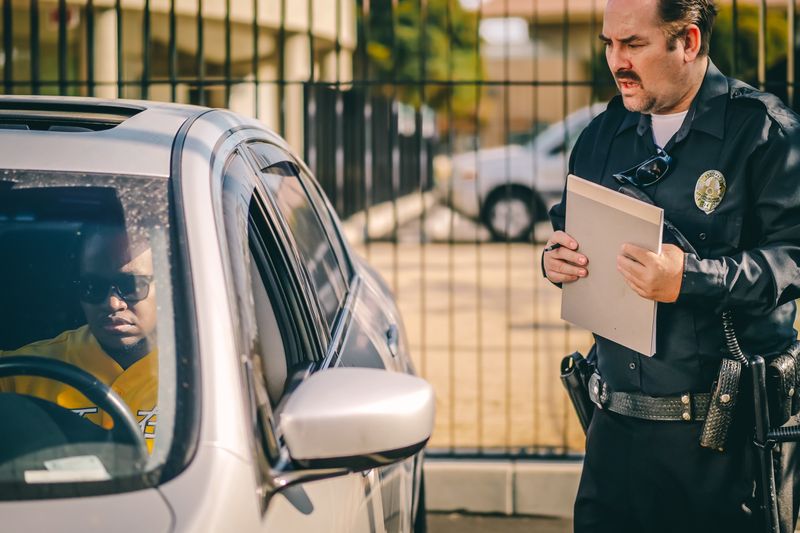

Key Takeaways
- Not all driving offenses are treated equally; penalties are generally based on the level of risk the behavior poses to public safety.
- Less serious infractions often result in fines, points, or corrective measures, while more severe offenses can lead to criminal charges, license suspension, or jail time.
- Insurance companies closely monitor driving histories, and serious offenses can cause substantial premium increases or classification as a high-risk driver.
- Repeated minor offenses can accumulate over time and result in escalating consequences, including the loss of driving privileges.
- A driver’s record can affect more than just insurance costs—it may also influence employment opportunities, especially for roles that require driving.
- Responding promptly and appropriately to a citation can help protect legal rights and may improve the outcome of a case.
- Practicing safe driving habits, maintaining vehicles properly, and staying informed about local regulations are effective ways to avoid costly penalties and legal complications.
Traffic laws exist to promote safety, reduce accidents, and create an orderly flow of vehicles on public roads. While most drivers understand the importance of following these rules, many are unaware that not all violations are treated equally under the law. Some infractions result in relatively small fines and minimal consequences, while others can lead to license suspension, significant penalties, criminal charges, or even jail time. Understanding the distinction between lesser and more serious offenses can help drivers make informed decisions and avoid legal and financial complications.
Whether you are a new driver, a seasoned motorist, or someone dealing with a recent citation, learning how traffic offenses are categorized is essential. The consequences often extend beyond a simple ticket, affecting insurance rates, driving privileges, employment opportunities, and future legal matters. This guide explores the key differences between minor and major traffic violations, the penalties associated with each, and what drivers should know to stay compliant with the law.
Why Traffic Violations are Categorized Differently
Traffic enforcement agencies and courts recognize that not all driving behaviors pose the same level of risk. A driver who accidentally exceeds the speed limit by a few miles per hour generally presents a different level of danger than someone driving under the influence of alcohol or engaging in reckless driving. Because of these varying levels of risk, violations are classified according to their severity and potential impact on public safety.
These classifications help law enforcement officers, courts, and insurance companies determine appropriate penalties. They also provide a framework for addressing unsafe driving behavior while ensuring that punishments are proportional to the offense.
The categorization of violations serves several purposes:
- Promoting road safety: More severe penalties discourage dangerous behavior that could result in injuries or fatalities.
- Ensuring fairness: Minor mistakes are often treated differently from intentional or reckless actions.
- Providing legal consistency: Courts can apply standardized consequences based on the seriousness of the offense.
- Reducing repeat offenses: Escalating penalties encourage drivers to correct unsafe habits.
Understanding where a violation falls on the spectrum can help drivers anticipate the potential consequences and take appropriate action when cited.
What are Minor Traffic Violations?
Minor traffic violations are generally considered less serious infractions that do not significantly endanger public safety. These offenses are often classified as civil violations rather than criminal offenses and usually result in fines, points on a driving record, or mandatory traffic school.
While minor violations may seem insignificant, repeated offenses can accumulate and eventually lead to more severe consequences.
Common examples include:
Speeding Slightly Above the Posted Limit
Driving a few miles per hour over the speed limit is one of the most common traffic offenses. While penalties vary by jurisdiction, these citations are typically handled as minor infractions unless excessive speed is involved.
Failure to Signal
Not using a turn signal when changing lanes or making a turn can create confusion for other drivers. Although this violation may not seem serious, it increases the risk of collisions and is commonly enforced.
Parking Violations
Parking in restricted zones, exceeding time limits, or violating local parking regulations often results in fines but generally does not impact a driver’s criminal record.
Equipment Violations
These offenses involve vehicle-related issues such as:
- Broken taillights
- Non-functioning headlights
- Expired registration stickers
- Missing license plates
- Improper window tinting
In many cases, drivers can correct the issue and provide proof of compliance to reduce or dismiss penalties.
Seat Belt Violations
Failing to wear a seat belt or allowing passengers to ride without proper restraints often results in citations and fines.
Although these violations are considered minor, drivers should not ignore them. Accumulating multiple citations can eventually lead to increased penalties and administrative actions against a driver’s license.
What are Major Traffic Violations?
Major traffic violations involve behaviors that create substantial risks to public safety. These offenses often carry severe penalties, including hefty fines, license suspension, criminal charges, probation, or incarceration.
Unlike minor infractions, major violations may remain on a driving record for many years and can significantly affect a driver’s future.
The seriousness of these offenses reflects the heightened danger they pose to other road users.
Examples of major violations include:
Driving Under the Influence
Operating a vehicle while impaired by alcohol or drugs is among the most serious traffic-related offenses.
Potential consequences may include:
- Large fines
- License suspension
- Mandatory education programs
- Ignition interlock device requirements
- Jail time
- Criminal record
The exact penalties vary depending on factors such as blood alcohol concentration, prior convictions, and whether injuries occurred.
Reckless Driving
Reckless driving involves operating a vehicle with willful disregard for safety.
Examples may include:
- Excessive speeding
- Aggressive lane changes
- Racing on public roads
- Ignoring traffic signals
Many jurisdictions treat reckless driving as a criminal offense rather than a simple traffic citation.
Hit-and-Run Incidents
Leaving the scene of an accident without providing required information or assistance can result in severe legal consequences.
Penalties often increase when injuries or fatalities are involved.
Driving With a Suspended License
Operating a vehicle after losing driving privileges demonstrates disregard for legal restrictions and often results in additional penalties.
Vehicular Manslaughter
When a traffic-related incident results in death due to negligent or unlawful conduct, drivers may face felony charges and lengthy prison sentences.
Because these offenses can have life-altering consequences, drivers accused of major violations often seek legal representation to protect their rights.
How Do Penalties Differ?
The distinction between minor and major violations becomes especially clear when examining the penalties associated with each category.
Minor offenses typically focus on correcting behavior through financial penalties and administrative measures. Major violations, however, often involve criminal consequences designed to punish dangerous conduct and protect the public.
Here is a general comparison:
| Minor Violations | Major Violations |
| Small fines | Significant fines |
| Limited points on license | High point assessments |
| Traffic school options | Mandatory court appearances |
| No criminal record | Potential criminal record |
| Rarely involve jail | Possible incarceration |
| Minimal insurance impact | Significant insurance increases |
While the penalties listed above represent common outcomes, each jurisdiction has its own laws and procedures.
Drivers should understand that even a seemingly minor citation can become more serious if ignored or repeated multiple times.
How Traffic Violations Affect Your Driving Record
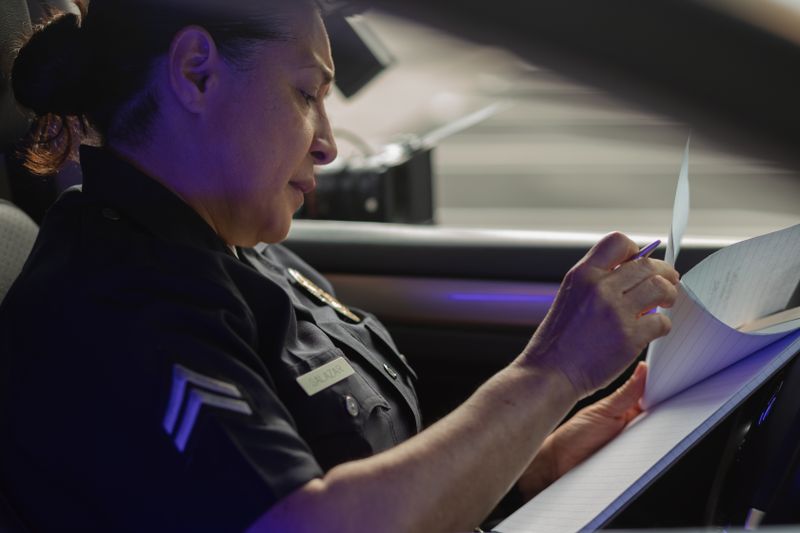
A driving record serves as a history of a driver’s behavior behind the wheel. Law enforcement agencies, courts, employers, and insurance providers often review these records when evaluating risk and responsibility.
Minor violations generally remain on driving records for a limited period. Major violations often stay much longer and may have lasting consequences.
Factors that influence the impact include:
- Severity of the violation
- Number of prior offenses
- Whether injuries occurred
- Compliance with court orders
- Completion of required programs
A clean driving record can help drivers maintain lower insurance premiums and avoid additional scrutiny from employers and licensing authorities.
Repeated offenses, even if individually minor, may suggest a pattern of unsafe behavior that triggers escalating penalties.
Why Insurance Companies Care About Traffic Offenses
Insurance providers assess risk when determining premiums. Traffic violations provide insight into a driver’s likelihood of filing future claims.
As a result, insurers often adjust rates based on driving history.
Minor violations may cause:
- Small premium increases
- Temporary surcharges
- Eligibility concerns for preferred rates
Major violations often lead to:
- Significant premium increases
- High-risk driver classifications
- Policy non-renewal
- Limited insurance options
For example, a single speeding ticket may result in a modest rate adjustment, while a DUI conviction can dramatically increase insurance costs for years.
Because insurance expenses can add up quickly, avoiding violations remains one of the most effective ways to control long-term driving costs.
Can Repeated Minor Offenses Become a Bigger Problem?
Many drivers mistakenly assume that minor violations are inconsequential because they carry relatively light penalties. However, repeated infractions can create serious legal and financial challenges.
Traffic enforcement systems often use point-based structures that assign values to various offenses. As points accumulate, drivers may face escalating consequences.
Potential outcomes include:
- Increased fines
- Mandatory driver improvement courses
- License restrictions
- License suspension
- Higher insurance premiums
For instance, a driver who repeatedly receives speeding citations may eventually lose driving privileges despite never committing a major offense.
This approach encourages drivers to correct unsafe habits before they result in accidents or more severe violations.
What Should Drivers Do After Receiving a Citation?
Receiving a traffic citation can be stressful, especially for individuals unfamiliar with the legal process. Understanding the available options can help drivers make informed decisions and protect their interests.
The appropriate response often depends on the nature and severity of the offense.
Important actions may include:
Review the Citation Carefully
Verify the information provided on the ticket, including dates, locations, and alleged violations.
Errors may affect how the case proceeds.
Understand the Deadline
Most jurisdictions establish strict deadlines for responding to citations.
Missing these deadlines can result in additional penalties or default judgments.
Consider Legal Guidance
For serious offenses, professional legal assistance may help drivers understand their options and potential defenses.
Gather Relevant Evidence
Supporting documentation may include:
- Photographs
- Witness statements
- Vehicle maintenance records
- Dashcam footage
In situations involving collisions or criminal allegations, understanding the steps to take after an accident or arrest can help protect legal rights and improve outcomes throughout the legal process.
Decide Whether to Contest the Citation
Some drivers choose to challenge tickets in court, while others pay fines or complete traffic school requirements.
The best approach depends on the facts of the case and the potential consequences involved.
How Courts Evaluate Serious Driving Offenses
Courts examine multiple factors when handling major traffic violations. Judges aim to balance accountability with public safety while considering the circumstances surrounding each case.
Several elements may influence sentencing:
- Prior driving history
- Severity of the conduct
- Presence of injuries
- Property damage
- Cooperation with law enforcement
- Evidence of remorse
Drivers with clean records may receive more lenient outcomes than repeat offenders facing similar allegations.
Courts may also require participation in educational programs, substance abuse treatment, community service, or probation as part of the resolution process.
Understanding these factors can help drivers appreciate the seriousness with which courts view dangerous driving behavior.
How Employers May View Driving Violations
Many people are surprised to learn that traffic offenses can influence employment opportunities. This is particularly true for positions involving driving responsibilities or professional licensing requirements.
Employers may review driving records when hiring candidates for roles such as:
- Commercial truck drivers
- Delivery personnel
- Sales representatives
- Public transportation operators
- Government employees
Minor violations may have limited impact, especially if they occurred years earlier.
Major violations, however, can raise concerns regarding:
- Reliability
- Judgment
- Safety awareness
- Legal compliance
Certain offenses may disqualify candidates from positions requiring clean driving histories.
Maintaining a safe driving record therefore provides benefits that extend beyond avoiding fines and penalties.
How Drivers Can Reduce Their Risk of Violations

The best way to avoid the consequences associated with traffic offenses is to practice safe, responsible driving habits consistently.
Developing strong driving skills reduces the likelihood of receiving citations and helps protect everyone on the road.
Effective strategies include:
Stay Focused While Driving
Distracted driving remains a leading cause of violations and accidents.
Avoid:
- Texting
- Social media use
- Eating while driving
- Excessive interaction with passengers
Follow Posted Speed Limits
Speed limits are designed based on roadway conditions and safety considerations.
Adjust speeds when weather or traffic conditions warrant additional caution.
Keep Vehicles Properly Maintained
Routine maintenance helps prevent equipment-related violations.
Regularly inspect:
- Tires
- Lights
- Brakes
- Mirrors
- Registration documents
Understand Local Traffic Laws
Traffic regulations can vary between jurisdictions.
Reviewing applicable laws helps drivers remain compliant when traveling or relocating.
Plan Ahead
Allowing extra travel time reduces the temptation to speed or engage in risky driving behavior.
Patience behind the wheel often prevents costly mistakes.
Are Some Violations Treated Differently Across Jurisdictions?
Traffic laws share many similarities, but specific rules and penalties vary significantly among states, provinces, and countries. What qualifies as a minor violation in one location may be treated more seriously elsewhere.
For example:
- Speeding thresholds may differ.
- Point systems vary by jurisdiction.
- Fine amounts are not standardized.
- Certain offenses may be classified as misdemeanors in one area and infractions in another.
Drivers who travel frequently should familiarize themselves with local regulations to avoid unexpected penalties.
Failure to understand local laws does not typically excuse violations, making proactive awareness especially important.
Conclusion
Understanding the difference between minor and major traffic law violations is essential for every driver. While minor offenses often result in fines, points, or corrective measures, major violations can carry severe consequences that affect a person’s finances, freedom, driving privileges, and future opportunities. The distinction largely depends on the level of risk posed to public safety and the potential harm that could result from the behavior.
By learning how violations are classified, recognizing the penalties associated with each category, and practicing safe driving habits, motorists can reduce their chances of encountering legal trouble. A commitment to responsible driving not only protects individual drivers but also contributes to safer roads and stronger communities for everyone.